
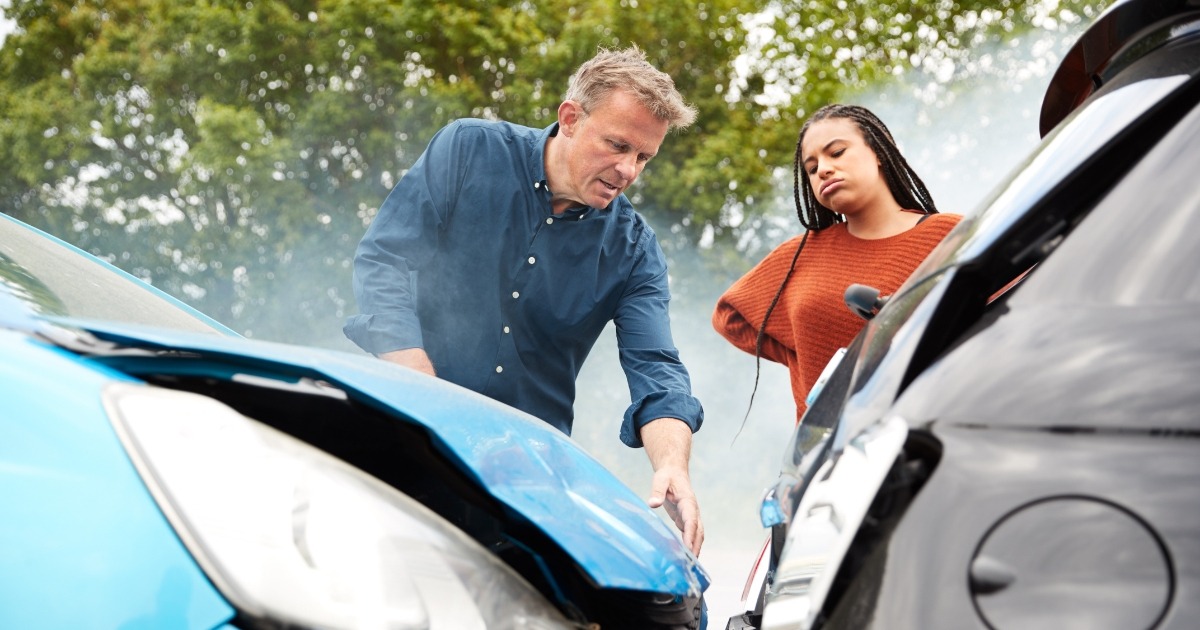
Las Vegas is one of the most vibrant cities in the world. Known for its glittering Strip, world-class entertainment, and bustling tourism, it attracts nearly 40 million visitors each year. Add in the 2.2 million people who live in the Las Vegas Valley, and it’s no surprise that traffic can get overwhelming. With so many cars, buses, taxis, rideshares, and pedestrians packed into one city, accidents are inevitable.
But here’s the reality: not all roads in Las Vegas are equally dangerous. Certain intersections and stretches of highway are notorious accident hotspots, claiming hundreds of crashes every year. If you live here—or even if you’re just visiting—knowing where these hotspots are can make the difference between getting to your destination safely and being involved in a life-changing collision.
This article breaks down the top Las Vegas accident hotspots, why they’re so dangerous, how to protect yourself, and what to do if you’re injured.
Why Las Vegas Roads Are So Dangerous
Before diving into the specific hotspots, it’s important to understand what makes Las Vegas such a unique (and risky) driving environment:
- Tourist Traffic: Many drivers are unfamiliar with the roads, distracted by GPS, or simply overwhelmed by the Strip’s neon chaos.
- 24/7 Activity: Unlike other cities, Las Vegas traffic doesn’t die down at night. Congestion and pedestrian activity continue well past midnight.
- Alcohol & Impairment: With thousands of bars, clubs, and casinos, impaired driving remains a constant threat.
- Fast Highways + Busy Surface Streets: High-speed interstates intersect with jam-packed city streets, leading to sudden slowdowns and collisions.
- Extreme Heat & Road Conditions: Tire blowouts, overheated engines, and distracted drivers trying to beat the sun all contribute to accidents.
Now, let’s look at the most dangerous intersections and highways in Las Vegas.
Top Car Accident Hotspots in Las Vegas
1. I-15 Near the Las Vegas Strip
The I-15 is the backbone of Las Vegas traffic, running north to south right behind the Strip. With constant congestion, high-speed drivers, and thousands of cars merging in and out for resort exits, it’s a recipe for disaster.
- Common accidents: Rear-end collisions, sideswipes, and multi-car pileups.
- Why it’s dangerous: Drivers slow down unexpectedly to exit, rideshare vehicles stop suddenly, and tourists often miss their turn and try to merge at the last second.
- Safety tip: Stay in your lane, avoid last-minute exits, and leave extra stopping distance.
2. Tropicana Avenue & Paradise Road
This intersection is right next to Harry Reid International Airport (formerly McCarran Airport) and major casino resorts like the MGM Grand. It’s a constant churn of taxis, buses, rental cars, and visitors unfamiliar with the streets.
- Common accidents: T-bone crashes and rear-end collisions.
- Why it’s dangerous: Drivers rushing to catch flights or find parking often ignore traffic signals. Pedestrians crossing in large groups add to the chaos.
- Safety tip: Approach slowly, even on a green light—red-light runners are common here.
3. Sahara Avenue & Decatur Boulevard
This busy intersection consistently ranks among the most dangerous in Nevada. With heavy commuter traffic and frequent red-light running, it’s a hotspot for severe T-bone crashes.
- Common accidents: Side-impact collisions (often at high speed).
- Why it’s dangerous: Wide lanes encourage speeding, and impatient drivers push yellow lights.
- Safety tip: If your light turns green, pause a second before entering the intersection to avoid being hit by a red-light runner.
4. Charleston Boulevard & Lamb Boulevard
Located in East Las Vegas, this area has a high rate of distracted driving, speeding, and pedestrian accidents.
- Common accidents: Pedestrian collisions and rear-end crashes.
- Why it’s dangerous: Fewer tourists but lots of local traffic, combined with drivers cutting across multiple lanes.
- Safety tip: Stay especially alert at night—pedestrian visibility is low, and crosswalk compliance is poor.
5. Rainbow Boulevard & Flamingo Road
This busy corridor mixes commuters, tourists, and pedestrians, creating frequent traffic conflicts. During rush hour, the intersection becomes a bottleneck with frustrated drivers making risky maneuvers.
- Common accidents: Sideswipes and pedestrian collisions.
- Why it’s dangerous: Multiple turning lanes, high foot traffic, and distracted drivers looking for Strip access.
- Safety tip: Keep extra space between you and other vehicles, especially in turning lanes.
Common Causes of Crashes in Hotspots
While each intersection has its quirks, most Las Vegas crashes share common causes:
- Distracted driving – texting, adjusting GPS, or looking at Strip attractions.
- Impaired driving – alcohol, drugs, or fatigue play a huge role, especially near resorts.
- Aggressive driving – speeding, weaving between lanes, and road rage are common.
- Tourists unfamiliar with roads – sudden stops, wrong turns, and last-minute lane changes.
- Pedestrian hazards – Las Vegas has some of the nation’s highest pedestrian accident rates.
How to Stay Safe on Las Vegas Roads
While you can’t control other drivers, there are steps you can take to reduce your risk:
- Slow Down: Most Strip-area crashes happen because someone was in a hurry. Leave extra time.
- Defensive Driving: Expect other drivers to make mistakes—hesitate before entering intersections.
- Avoid Peak Times: Traffic is worst from 3:30–7:00 PM and around 2:00 AM when bars let out.
- Watch for Pedestrians: Many tourists cross outside crosswalks, especially near casinos.
- Don’t Rely on GPS Alone: Study your route before driving—constant recalculations can distract you.
- Be Cautious Around Rentals: If you see a rental car plate, assume the driver is unfamiliar with the road.
Legal Considerations After a Crash
Being involved in a crash at one of these hotspots can be overwhelming, especially if you’re a visitor unfamiliar with Nevada law. Here’s what you need to know:
- Nevada is a fault state: The driver who caused the crash is responsible for damages.
- Comparative negligence applies: If you’re partially at fault, your compensation may be reduced. For example, if you’re found 20% at fault, you can still recover 80% of your damages.
- Compensation may include:
- Medical bills (emergency care, rehab, long-term treatment)
- Lost wages and future earning capacity
- Pain and suffering
- Property damage
- Wrongful death benefits in fatal cases
Insurance companies often downplay injuries, shift blame, or push lowball settlements. That’s why speaking with a Las Vegas personal injury lawyer early on is critical.
What to Do If You’re Involved in a Crash
If you’re unfortunate enough to be in an accident at one of these hotspots, here’s what to do immediately:
- Call 911 – Report the accident and get medical help.
- Exchange Information – Get driver’s license, insurance, and contact info.
- Document the Scene – Take photos of vehicles, road conditions, traffic signals, and injuries.
- Gather Witnesses – Collect names and phone numbers of anyone who saw the crash.
- Seek Medical Attention – Even if you feel fine, injuries like whiplash may appear later.
- Avoid Admitting Fault – Don’t apologize or make statements that can be used against you.
- Call a Lawyer Before Insurance – Insurance adjusters work to limit payouts. Protect your rights first.
Conclusion: Knowledge Is Power on Las Vegas Roads
Las Vegas may be a city of excitement and opportunity, but its roads come with risks—especially at notorious accident hotspots like I-15 near the Strip or Tropicana and Paradise. Knowing where crashes happen most often helps you drive smarter and more defensively.
Still, even the safest drivers can’t always avoid reckless or impaired motorists. If you or a loved one is injured in a Las Vegas car accident, getting experienced legal help is crucial. A skilled attorney can handle the insurance companies, prove fault, and fight for the compensation you deserve—so you can focus on recovery.
Our firm offers free consultations for accident victims across Las Vegas. Don’t let a crash derail your future—call today and let us protect your rights.